INSULEUR urges the EU to move from island strategies to concrete funding and action
Las Palmas de Gran Canaria, 19 November 2026 – Europe’s islands are demanding more than political recognition. They are calling for dedicated financial instruments, adapted European legislation and concrete measures to compensate for the structural disadvantages affecting island businesses and communities.
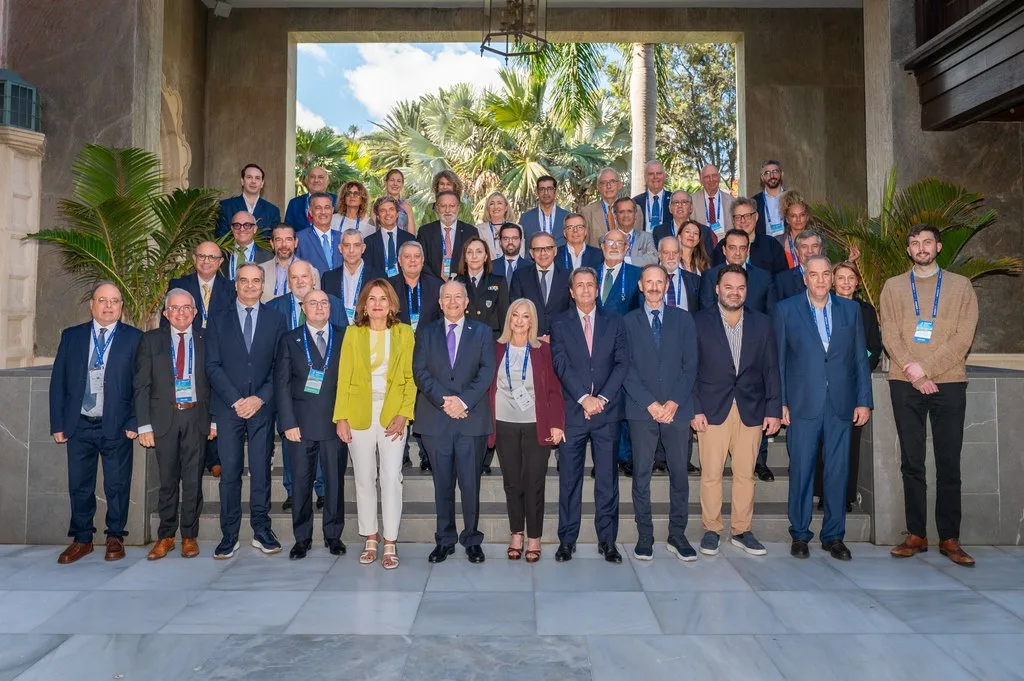
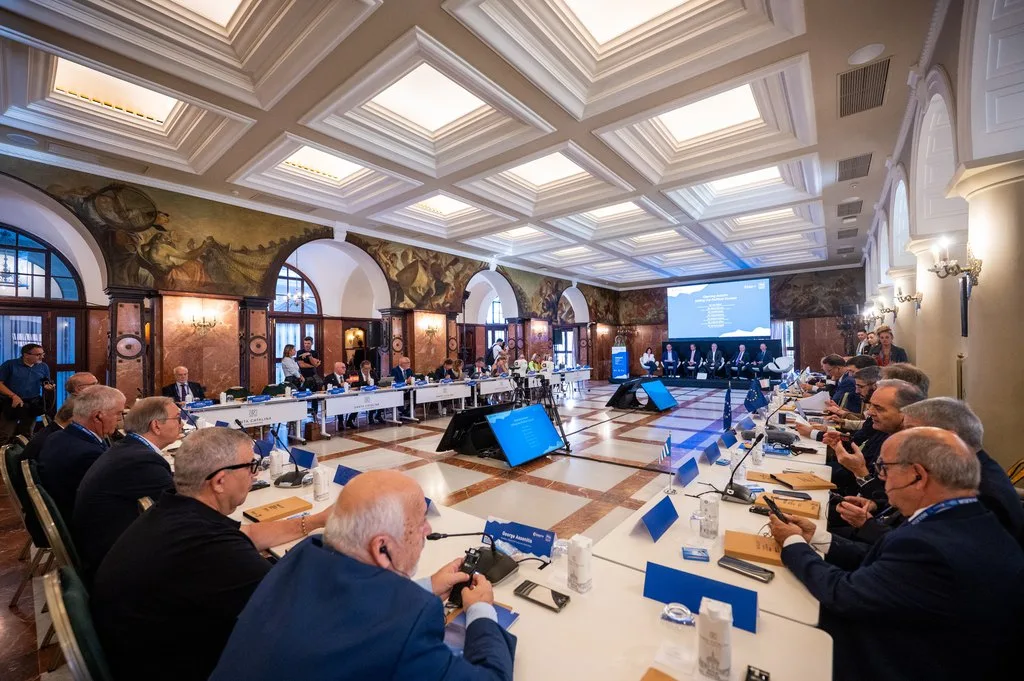
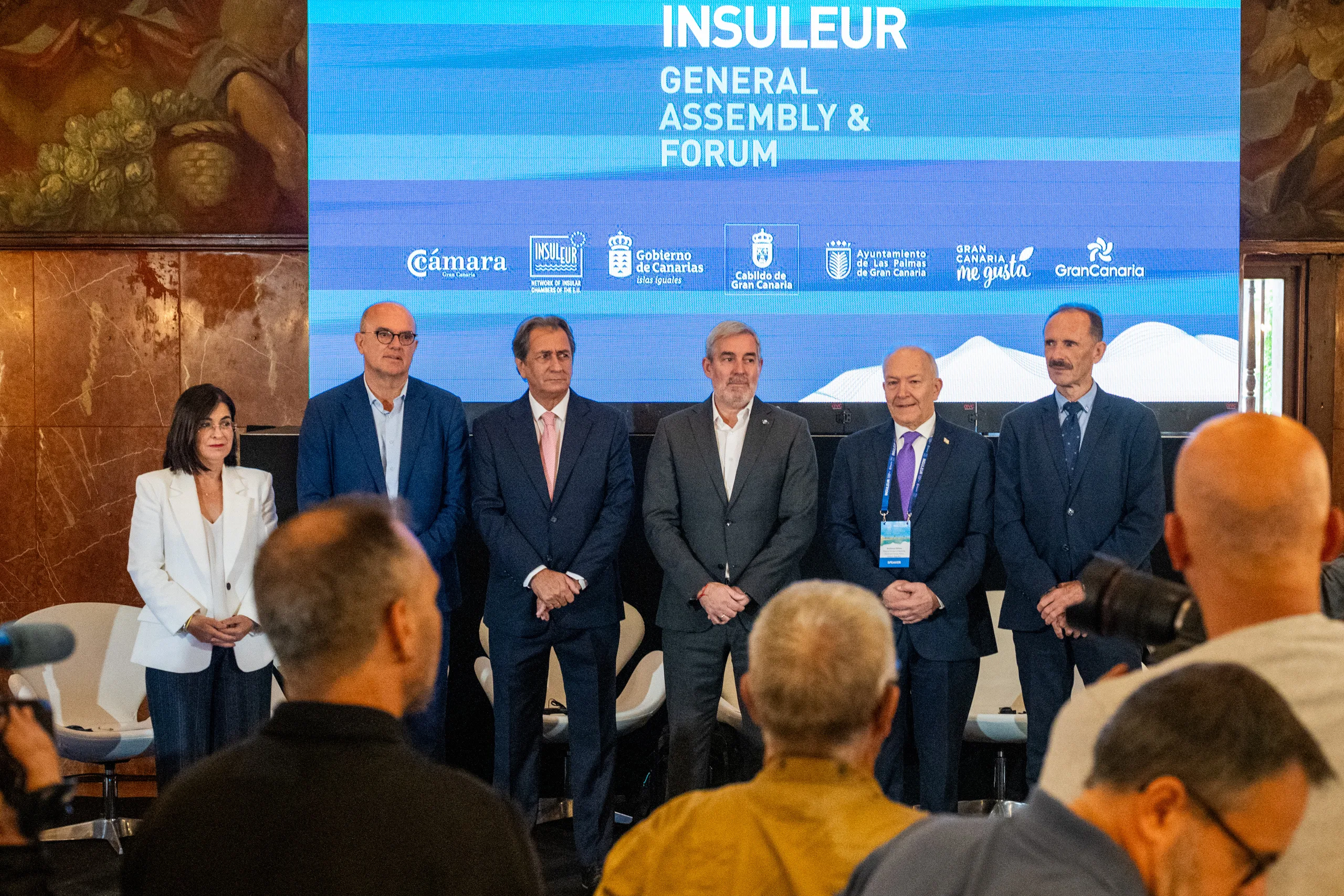
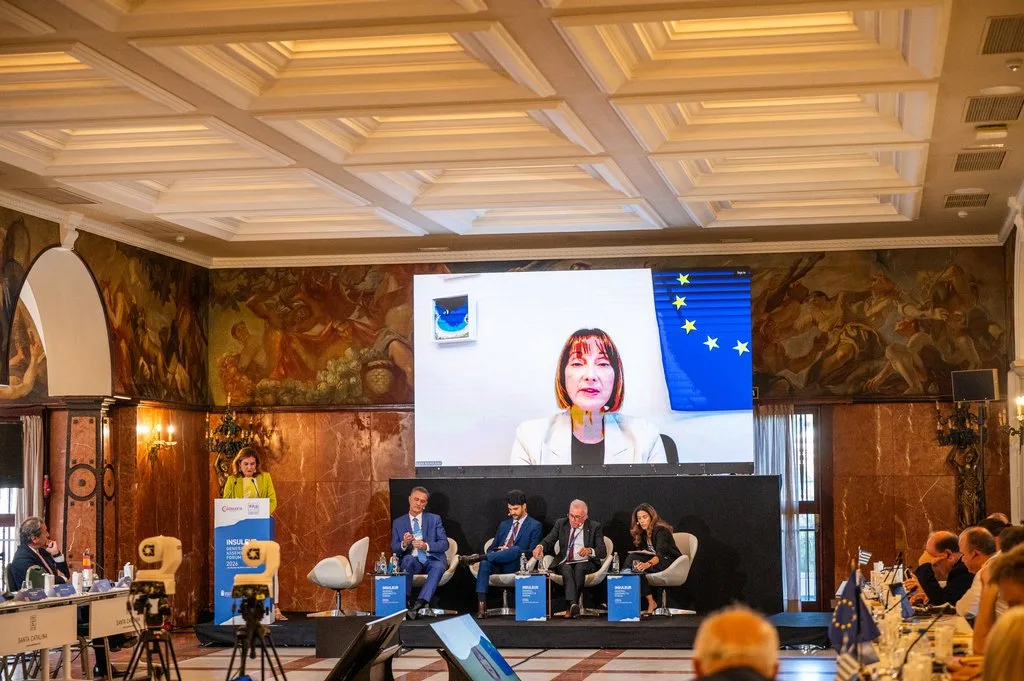
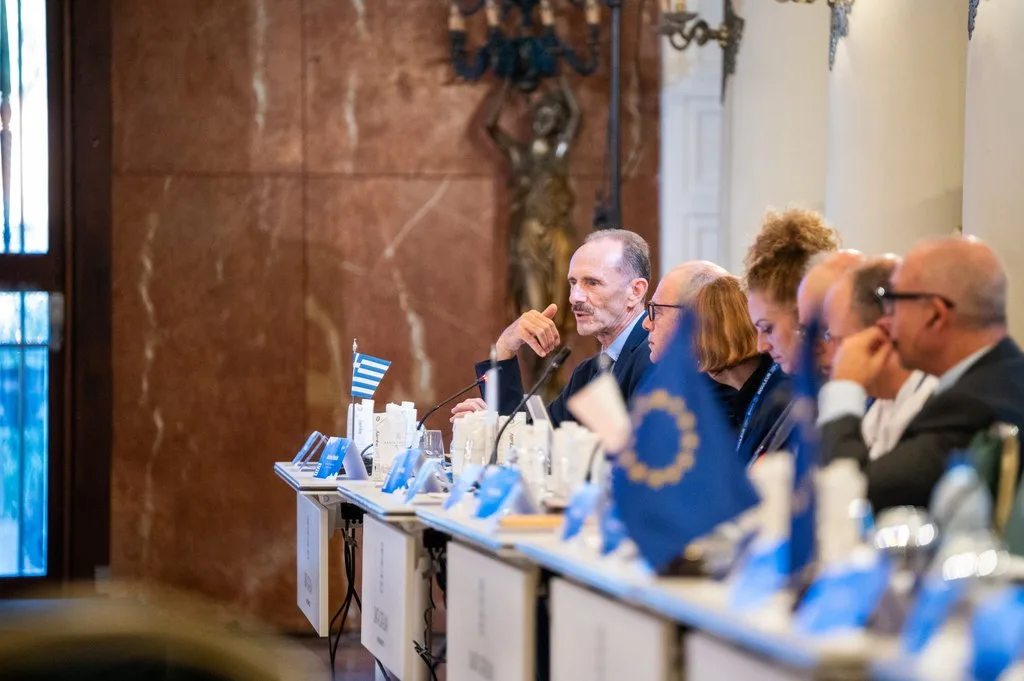
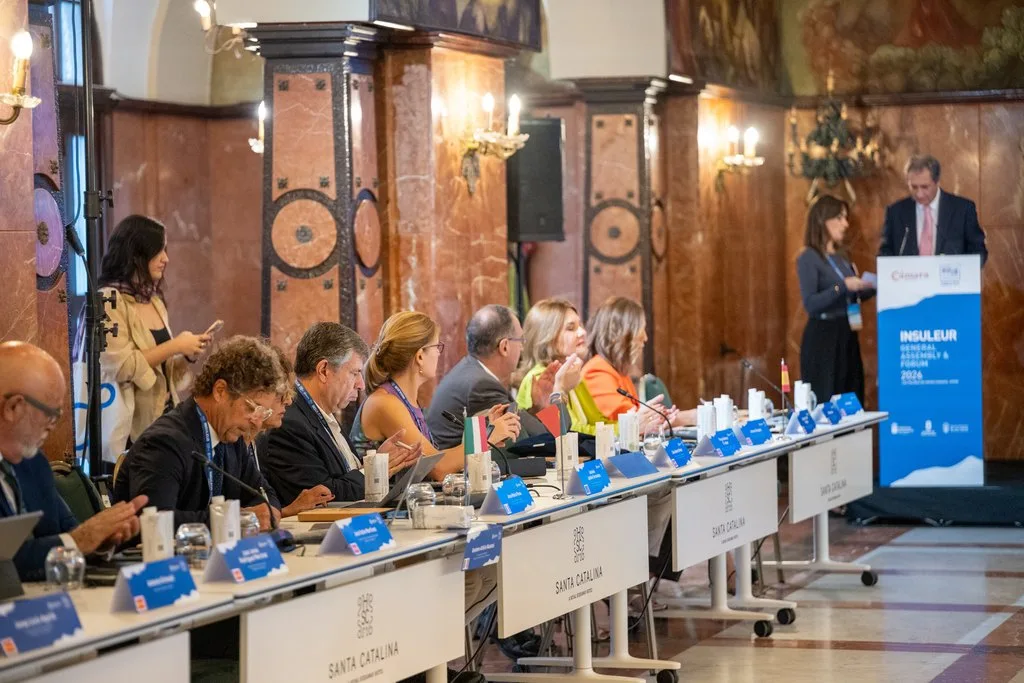
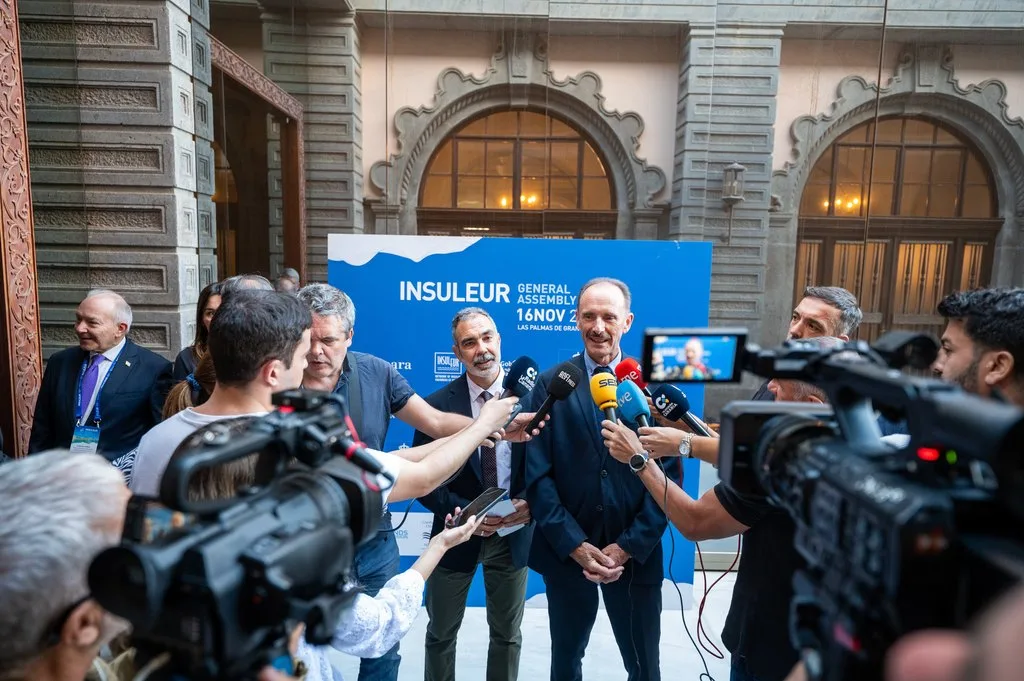
This was the central message emerging from the INSULEUR Annual Forum and General Assembly, held on 16 November in Las Palmas de Gran Canaria, hosted by the Chamber of Commerce of Gran Canaria.
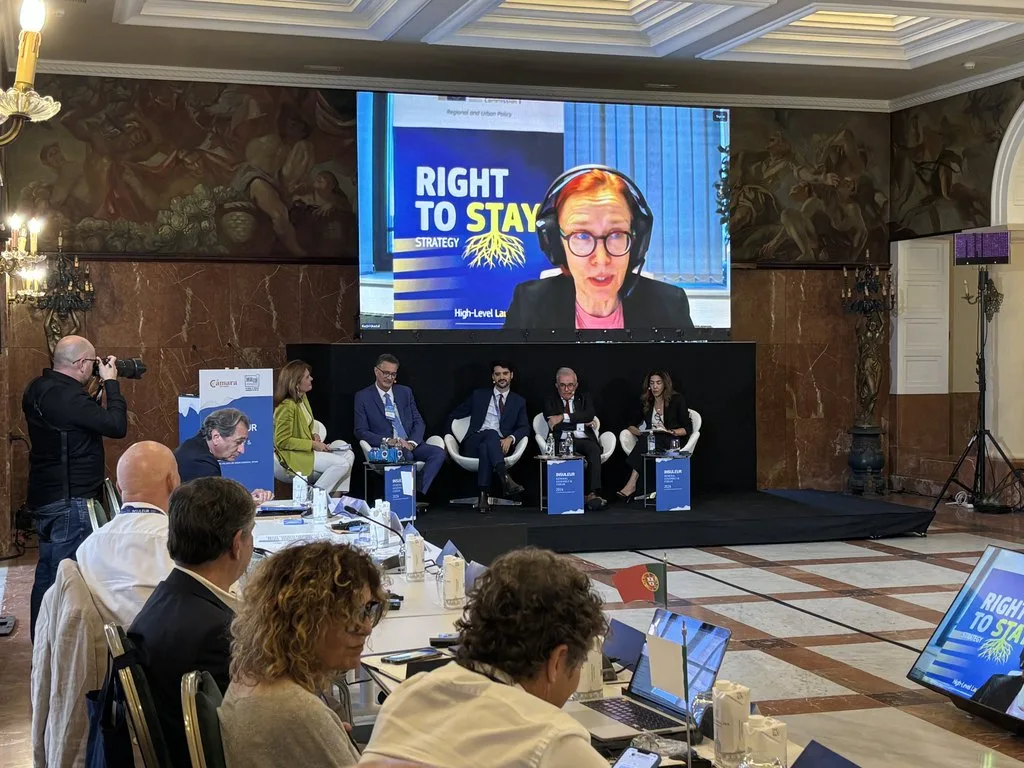
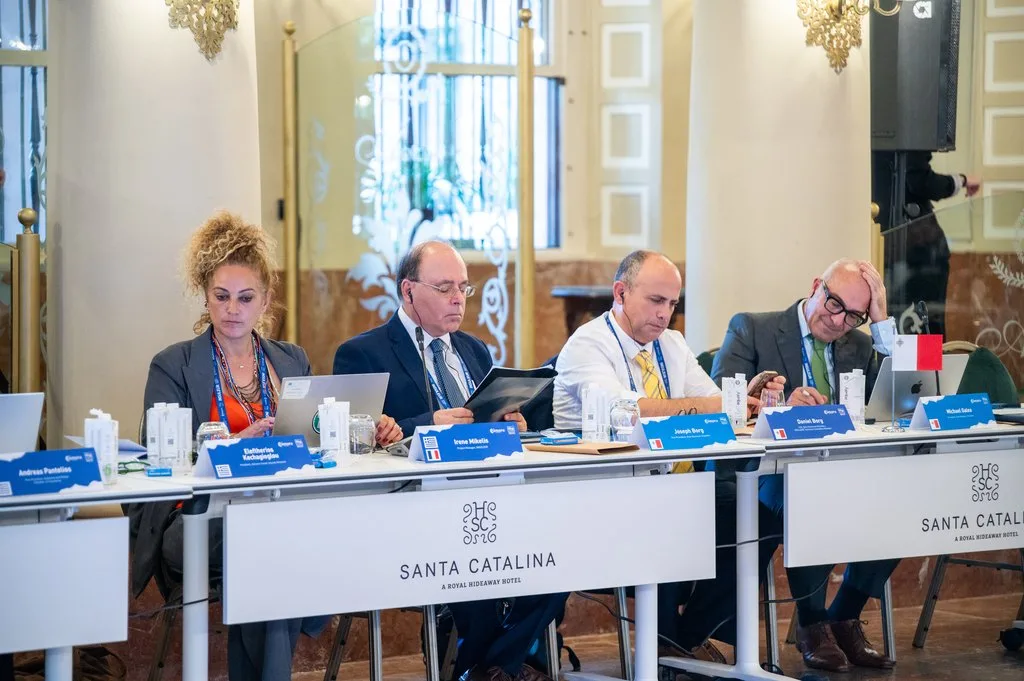
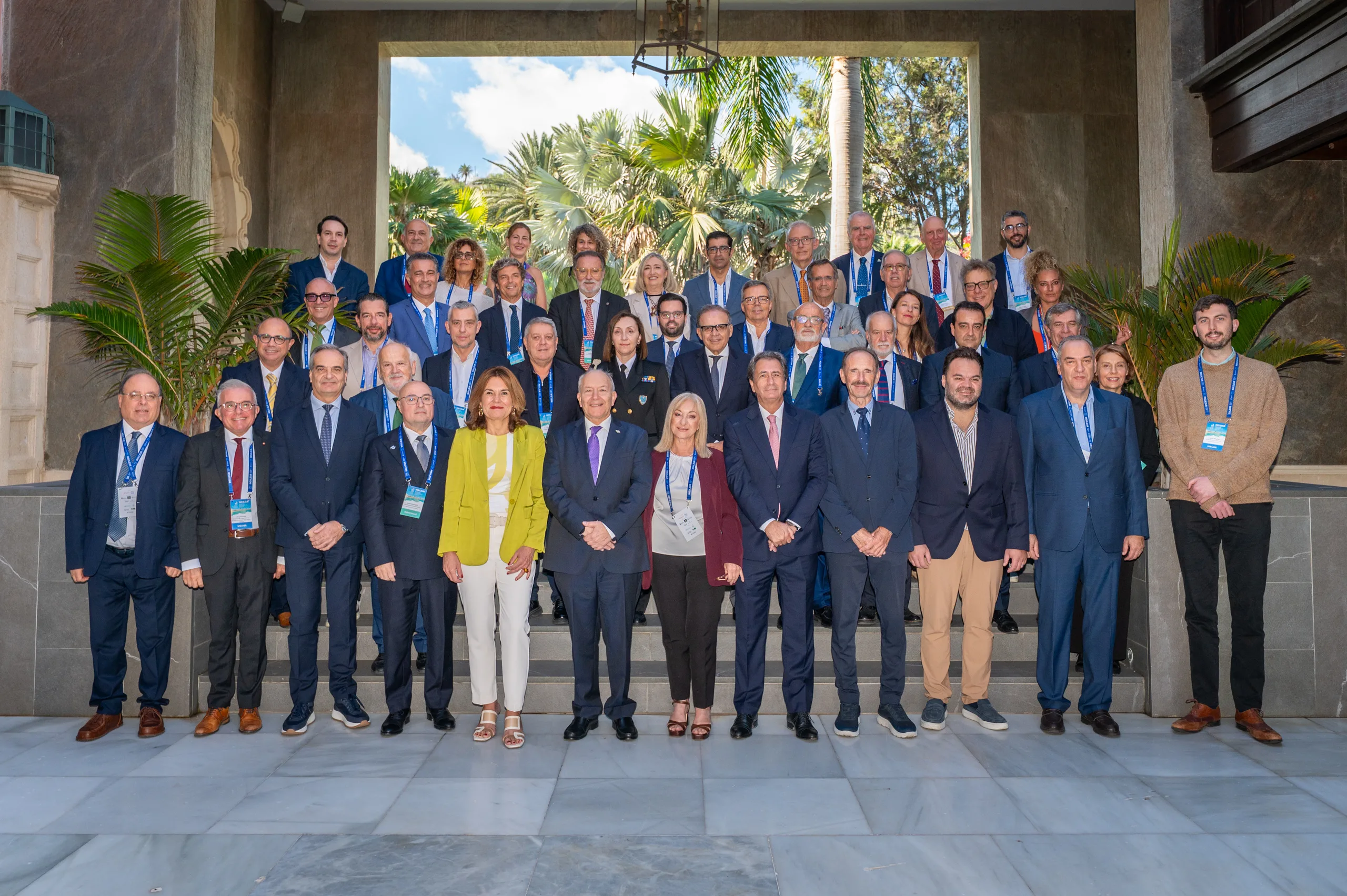
Under the theme “From European Vision to Island Action: Unlocking Opportunities through Europe’s New Strategies for Islands and Outermost Regions,” the gathering brought together island Chambers of Commerce from european islands, alongside representatives of the European Commission, European Parliament, European Committee of the Regions, European Economic and Social Committee, national and regional governments, researchers and island organisations, including representatives of Irish island communities.
The discussions came at a crucial moment for European island policy, as new EU strategic initiatives offer an opportunity to address longstanding territorial inequalities.
Island businesses demand a level playing field
For INSULEUR, the central challenge is ensuring that geographical disadvantages do not translate into permanent economic inequalities. Additional transport costs, dependence on maritime and air connections, limited markets, difficulties accessing finance and skills shortages continue to undermine the competitiveness of island SMEs.
Opening the Forum, Giannis Roussos, President of INSULEUR and of the Cyclades Chamber of Commerce, described the current European policy developments as a unique opportunity:
“For us, the islanders of Europe, this is a unique opportunity. An opportunity to highlight the particular characteristics of our islands, but also their potential. To transform geographical challenges into development advantages and ensure that European policies take into account the real needs of island communities and businesses.
The right of people to remain, work and build their future on their islands cannot remain merely a declaration. It requires concrete policies on housing, transport, employment, entrepreneurship and access to services. It requires a Europe that does not treat all territories in the same way but recognises the specific circumstances of insularity.”
Luis Padrón, President of the Chamber of Commerce of Gran Canaria and INSULEUR Vice-President, called for a dedicated European support programme for island SMEs, addressing structural costs while strengthening access to finance, innovation, talent and international markets.
The importance of compensating for insularity was also highlighted by Stefanos Gkikas, Greece’s Deputy Minister of Maritime Affairs and Insular Policy, who proposed exploring a European transport-equivalent mechanism, building on Greece’s experience, to help offset the additional costs borne by island residents and businesses. He also highlighted the upcoming Greek Presidency of the Council of the EU in the second half of 2027 as an opportunity to advance the implementation of the EU Strategy for Islands and translate its priorities into concrete financial instruments for European islands.
The Forum received strong institutional support through the participation of Fernando Clavijo, President of the Canary Islands Government; Antonio Morales, President of the Cabildo de Gran Canaria; Carolina Darias, Mayor of Las Palmas de Gran Canaria; and Anselmo Pestana, Spanish Government Delegate in the Canary Islands.
The right to stay must become an economic reality
Beyond competitiveness, the discussions exposed a fundamental concern shared by Europe’s islands: the ability of residents, particularly younger generations, to continue living and working in their communities.
Research presented by the European Commission’s Joint Research Centre, the University of Cagliari and CRENoS demonstrated how demographic pressures, freight costs and mobility constraints shape island development. Experiences from the Frisian Islands and the Canary Islands’ Responsible Islands Lab also illustrated the potential of European cooperation and innovation to address common challenges.
These findings were reinforced by island stakeholders. Maria Garciés i Ramon, representing the CPMR Islands Commission, emphasised the importance of coherent European policies and appropriate funding, while Eleftherios Kehagioglou, President of the Hellenic Small Islands Network, highlighted the particular vulnerability of smaller and remote islands.
Housing shortages, access to essential services and the preservation of island communities were also central to the contribution of Pádraig Ó Foghlú, representing the Irish Islands Federation.
Yet the debate also demonstrated that islands can offer solutions. Island Innovation, represented by Katalin Magyar, and the Greening the Islands Foundation, represented by Amar Djedaoun, highlighted the opportunities offered by locally driven innovation, renewable energy and sustainable economic models. Gaetano Attilio Nastasi, representing the Cagliari-Oristano Chamber of Commerce, reinforced the role of Chambers in connecting businesses, institutions and European cooperation initiatives.
A clear conclusion emerged: the European Right to Stay must be supported by viable local economies, affordable housing, reliable connections and opportunities for entrepreneurship and employment. Without these conditions, territorial cohesion risks remaining an aspiration rather than a reality.
A European strategy needs financial means
While welcoming the growing recognition of insularity at European level, participants warned that the effectiveness of the new strategic framework will depend on the resources and legislative commitments accompanying it.
Kadri Uustal, Head of Unit at the European Commission’s DG REGIO, described the EU Strategy for Islands as an important milestone rather than a final destination, outlining ongoing work concerning the additional costs of insularity, State aid and maritime transport.
The need for dedicated funding was strongly supported by Elena Kountoura, Member of the European Parliament, who called for financial instruments adapted to island businesses and communities, alongside investment in connectivity, infrastructure and affordable housing.
One of the Forum’s most forceful messages came from Stéphane Bijoux, European Economic and Social Committee rapporteur on the EU Strategy for Islands:
“The islands must no longer be seen exclusively as territories of problems. We are territories of solutions.”
Warning that “a strategy without means is not credible,” he advocated dedicated financial allocations, mandatory insular impact assessments, adapted State aid rules and simplified access to European funding. He also emphasised the essential role of island Chambers of Commerce in connecting European policies with the realities of local businesses.
The need to translate recognition into enforceable measures was echoed by Noel Formosa and Thibault Lechat-Vega, representing the European Committee of the Regions, while Vasco de Mello, of the EESC, and Célia Alberto Pérez, representing the Canary Islands Government, highlighted the importance of safeguarding the specific needs of outermost regions in future European policies and funding arrangements.
Across these institutional perspectives, a common concern emerged: island priorities must not be diluted in the next EU Multiannual Financial Framework for 2028-2034.
INSULEUR: from 26 years of advocacy to a decisive new phase
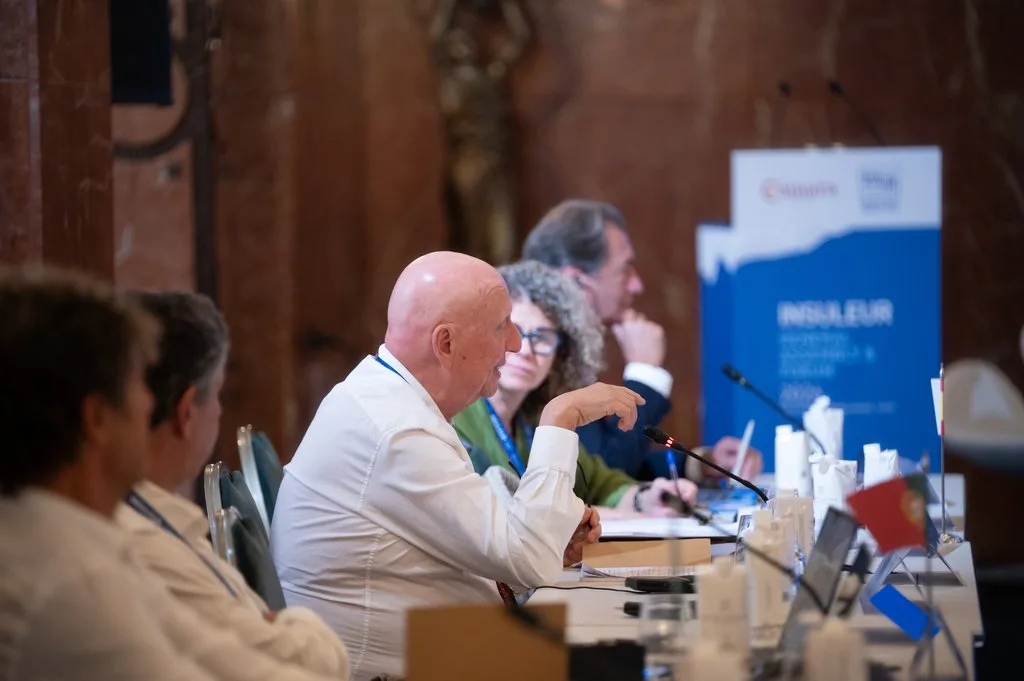
Closing the Forum, George Assonitis, member of INSULEUR’s Technical Committee, recalled that the network’s demand for an integrated European island policy dates back to its first gathering in Chios, 26 years ago. While welcoming the three European initiatives – the Strategy for Islands, the strategy for outermost regions and the Right to Stay – as a historic milestone, he stressed that INSULEUR’s ultimate objective remains the introduction of an insularity clause across all relevant EU policies.
Reflecting on the Forum’s discussions, he highlighted the growing scientific evidence available to support island-specific measures, the convergence of island stakeholders around common priorities and, above all, a significant change in the European Commission’s approach. For the first time, he observed, the Commission engaged openly and constructively with the specific needs of island territories, including the possibility of adapting State aid rules.
For INSULEUR, this shift represents an important achievement after more than two decades of advocacy but also the beginning of a new phase, in which political recognition must be translated into concrete legislative and financial commitments.
INSULEUR will continue working with its member Chambers and European partners to ensure that forthcoming policy and budgetary decisions deliver tangible benefits for island economies.
The message from Gran Canaria is clear: Europe’s islands are not asking for privileges, but for equal opportunities and for European policies that recognise their realities, support their businesses and unlock their potential.
🎥 The full recording of the INSULEUR Forum is available HERE, with all interventions presented in their original languages.